Washington has restaurants where dinner takes over most of the evening, restaurants where 12 seats make up an entire seating, and restaurants where choosing the right reservation means knowing which experience you are actually booking. Others work just as well for a less structured meal, from an à la carte dinner to weekend brunch.
That is what makes choosing among DC’s signature restaurants more complicated than finding the longest tasting menu or counting Michelin stars. Format matters almost as much as food. So do neighborhood, dietary policies, reservation terms, and what else you expect to do that night.
| Restaurant | Best If You Want | Format | Neighborhood | What Matters Before You Go |
|---|---|---|---|---|
| minibar by José Andrés | Dinner to be the main event | Chef’s counter tasting menu | Penn Quarter | Very limited seating; book well ahead |
| Jônt | An immersive chef’s-counter experience | Chef’s counter tasting menu | U Street Corridor | Expect a long, elaborate dinner |
| Pineapple and Pearls | Fine dining without a solemn mood | Four-course dining experience | Capitol Hill | You choose between options within each course |
| Causa | A structured Peruvian tasting | Tasting menu | Blagden Alley | Amazonia upstairs offers a more flexible dining experience |
| Oyster Oyster | Plant-forward cooking | Seasonal tasting menu | Shaw | The menu can be vegetarian or vegan; oysters are optional |
| The Dabney | Mid-Atlantic ingredients and hearth cooking | Prix fixe or à la carte | Blagden Alley | You don’t have to commit to the prix fixe menu |
| Albi | Palestinian cooking centered on open fire | Sofra experience or à la carte | Navy Yard | Dining options vary, so check the current menu before reserving |
| Fiola | Italian fine dining with several choices | Tasting menus and limited à la carte | Penn Quarter | You can choose between longer and shorter dining formats |
| Rose’s Luxury | More freedom within the meal | “Choose Your Own Adventure” | Capitol Hill | Wednesday is the night to check for à la carte dining |
| Le Diplomate | A classic French brasserie | À la carte | Logan Circle | Also open for lunch, brunch, and afternoon dining |
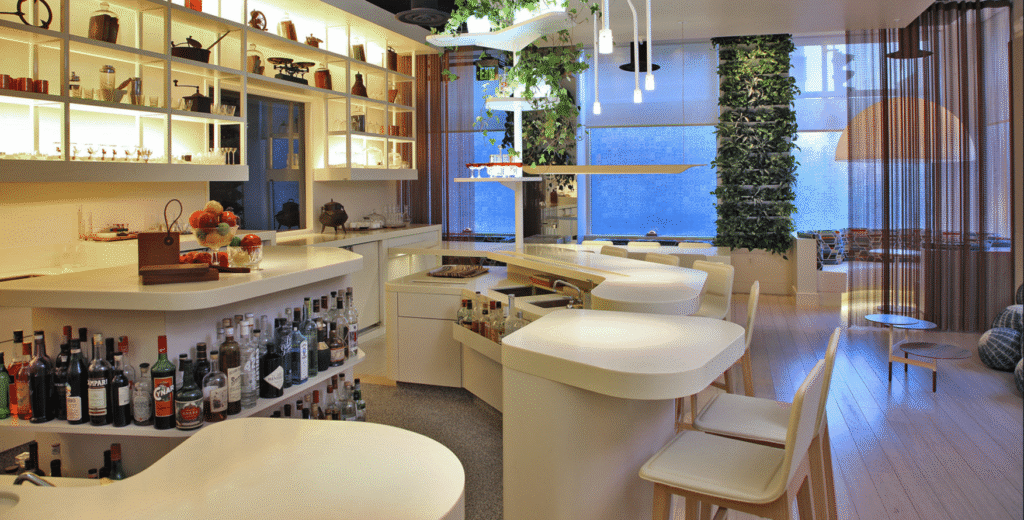
[Photo: minibar by José Andrés via archello.com/fr/project/minibar-by-jose-andres]
Penn Quarter is home to minibar by José Andrés, a two-Michelin-starred tasting-menu restaurant with two seatings of just 12 diners each evening. Diners sit at the chef’s counter for a progressive, multi-course experience that combines modern technique with playful presentations and an unusually close view of the kitchen.
Tickets must be purchased in advance, and the tasting menu is designed to be experienced as a whole rather than ordered à la carte. Dietary restrictions should be discussed with the restaurant as early as possible since the kitchen cannot accommodate every request.
This is also one dinner that should have plenty of room around it. Putting a theater curtain or another fixed reservation immediately afterward can turn an elaborate meal into a race against the clock.
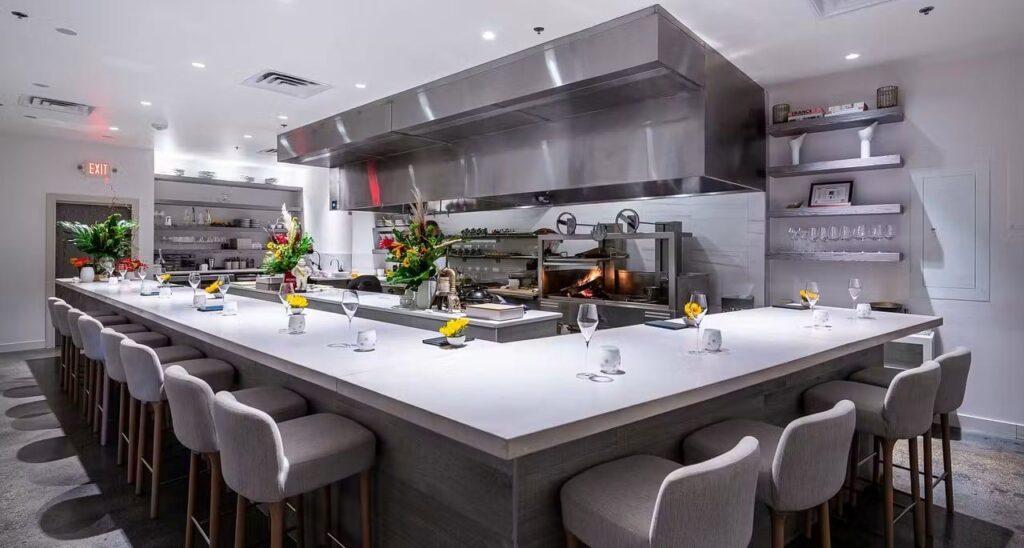
[Photo: Jônt via jontdc.com]
Above Bresca on 14th Street, Jônt offers a chef’s tasting menu from Ryan Ratino and his team. The restaurant describes its cooking as progressive, drawing on ingredients from around the world with a particular emphasis on Japanese cuisine. Dinner takes place around an intimate chef’s counter with the kitchen team working directly in front of diners.
Jônt currently holds two Michelin stars, and its tasting menu includes nearly 30 preparations, although the exact menu changes with seasonality and availability. That makes this another reservation worth treating as the evening’s centerpiece rather than something to fit between other commitments.
Dietary restrictions should be submitted at least seven days ahead. That deadline matters most when someone at the table has specific dietary requirements.
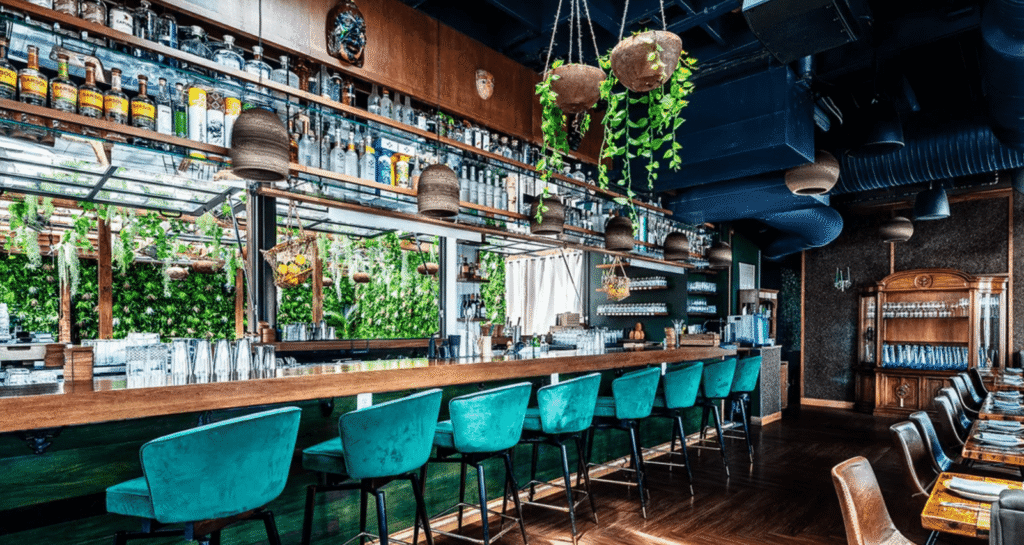
[Photo: Causa via causadc.com]
In Blagden Alley, chef Carlos Delgado’s Causa explores Peruvian cooking through a tasting menu inspired by the country’s Pacific coastline and Andes. Seafood has a prominent role, including fish and shellfish sourced for the restaurant’s on-site fish market, while the beverage program gives particular attention to pisco.
Upstairs, Amazonia offers a rooftop, bar, small plates, larger sharing dishes, and an extensive pisco selection. The distinction matters when booking: Causa centers on a structured tasting menu, while Amazonia offers a more flexible way to experience the same restaurant.
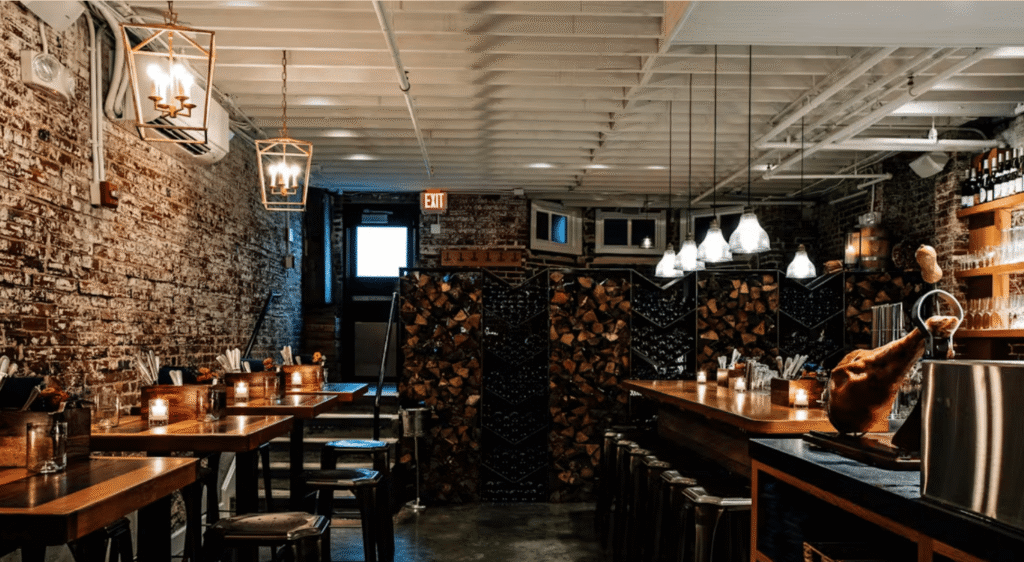
[Photo: The Dabney via thedabney.com]
Blagden Alley is home to The Dabney, a restaurant focused on Mid-Atlantic foodways. Chef Jeremiah Langhorne works with regional farmers, purveyors, and watermen, while a wood-burning hearth anchors the open kitchen and plays a central role in the cooking.
The restaurant currently offers both a five-course prix fixe and a full à la carte menu, including à la carte dining at the bar and on the garden patio. That gives diners more choice than the chef’s-counter restaurants on this list without losing the restaurant’s regional focus.
[Photo: Albi via albidc.com]
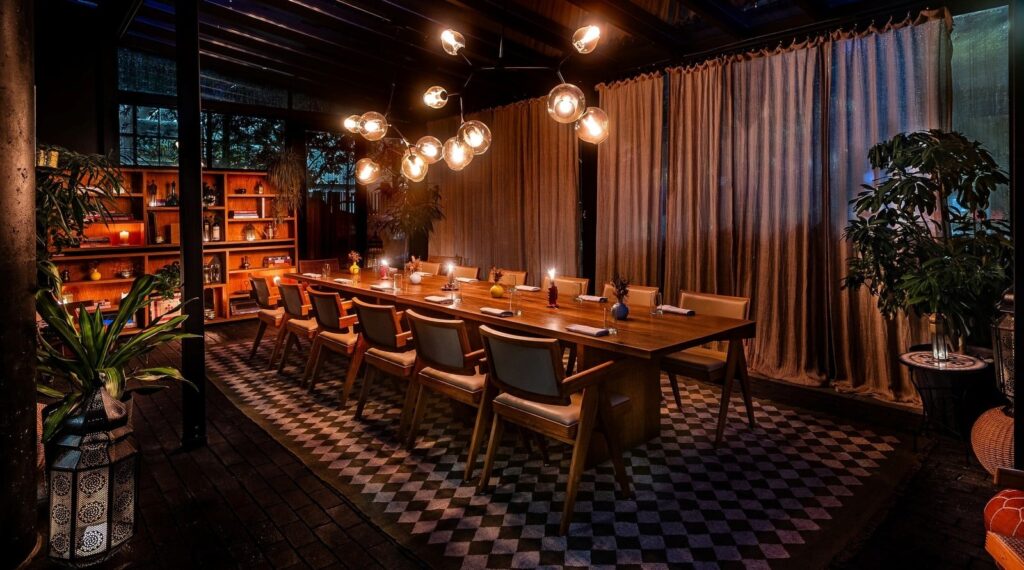
Michael Rafidi opened Albi in Navy Yard in early 2020, drawing on his family’s roots in Ramallah and his grandparents’ cooking. The restaurant combines Palestinian culinary traditions with modern techniques and ingredients sourced from the Mid-Atlantic.
Open-fire cooking runs through much of the menu, from breads and vegetables to meats and other dishes shaped by Palestinian flavors and techniques. Its Navy Yard location also puts Nationals Park, The Yards, and the Anacostia River waterfront nearby.
[Photo: Oyster Oyster via enprimeurclub.com/restaurants/oyster-oyster-washington-dc-restaurant]
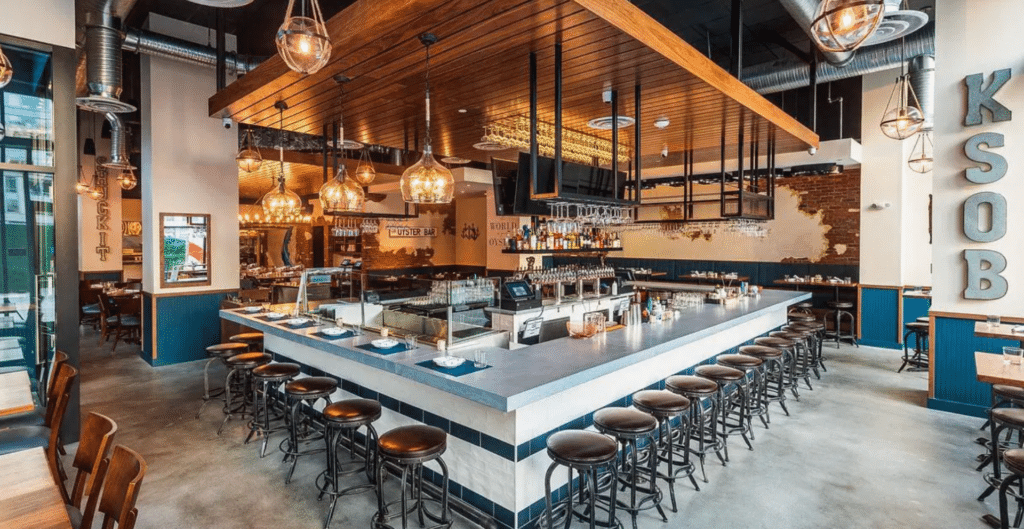
Seasonal Mid-Atlantic agriculture sits at the center of Oyster Oyster in Shaw. Chef Rob Rubba’s kitchen makes extensive use of regional vegetables, grains, mushrooms, and fermented ingredients, with oysters available as part of the experience.
The current seasonal menu can be prepared vegetarian or vegan, with an optional oyster course. That distinction matters: vegetables are the foundation of the meal, not an alternative menu built around dietary restrictions.
The restaurant also pays close attention to how it uses ingredients. Leftover bread can become miso, while vegetable trimmings find their way into other preparations before the remaining waste is composted.
[Photo: Pineapple and Pearls via facebook.com/pineappleandpearlsdc/]
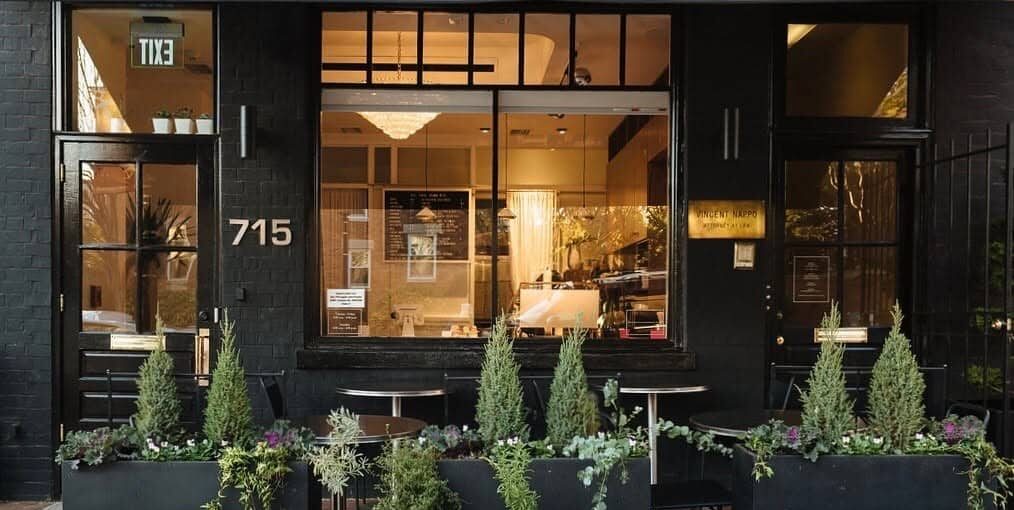
Aaron Silverman’s Pineapple and Pearls sits on Barracks Row in Capitol Hill, a few doors from his first restaurant, Rose’s Luxury. The restaurant has moved away from a traditional fine-dining tasting format and now serves a four-course menu with choices at each stage, along with additional bites throughout the meal.
Dinner here is deliberately less solemn than the white-tablecloth setting might suggest. The restaurant encourages diners to dress up despite having no official dress code, treating the meal more like a night out than a formal ceremony. Eastern Market and the rest of Barracks Row are within walking distance.
[Photo: Fiola via fioladc.com]
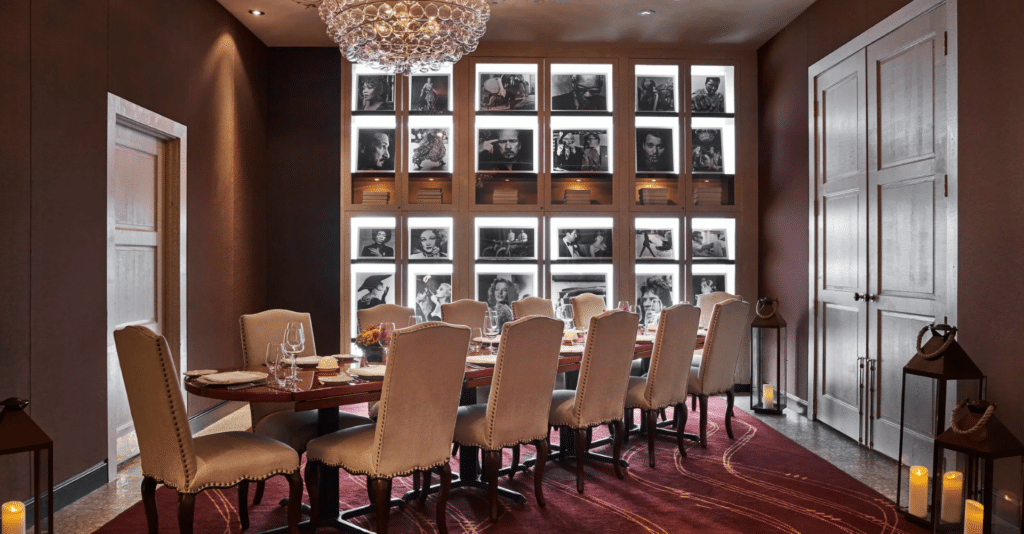
Fabio Trabocchi opened Fiola in Penn Quarter in 2011. Today, Executive Chef Antonio Mermolia leads a kitchen grounded in Italian regional traditions.
What distinguishes Fiola within this list is the number of ways to approach the meal. The restaurant offers a nine-course tasting menu, shorter tasting formats with choices, and limited à la carte dining on selected days and at the bar. Its Penn Quarter location also puts Capital One Arena, downtown theaters, and several museums nearby.
[Photo: Rose’s Luxury via rosesluxury.com]
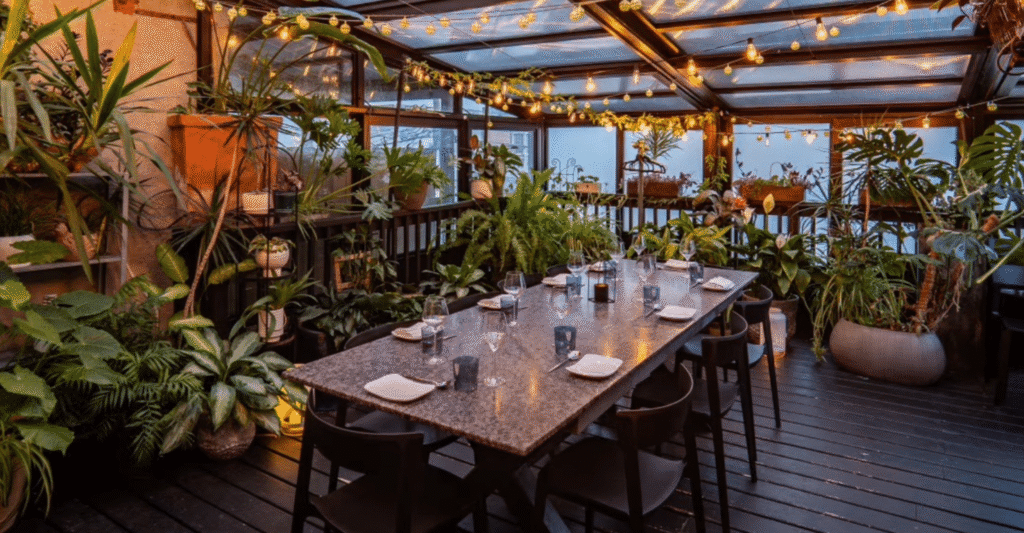
Barracks Row has been home to Rose’s Luxury since 2013. The Capitol Hill restaurant takes a playful approach to contemporary American cooking, with a menu that moves freely between culinary influences rather than sticking to one particular tradition.
Its current “Choose Your Own Adventure” format mixes individual selections with dishes for the table to share, including its bread service and oversized desserts. À la carte dining is also available on Wednesdays.
Rose’s sits next door to Pineapple and Pearls, giving the same stretch of 8th Street SE two noticeably different approaches to a special dinner.
[Photo: Le Diplomate via lediplomatedc.com]
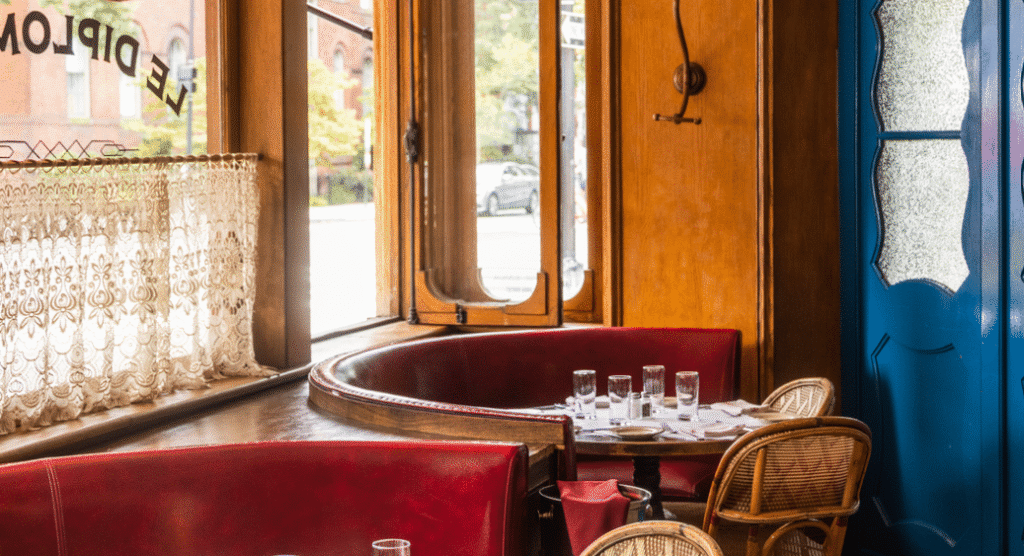
At 14th and Q Streets NW, Le Diplomate recreates the atmosphere and menu of a classic Parisian brasserie. French staples such as onion soup gratinée, escargots, steak frites, moules frites, and seafood platters sit alongside daily specials, pastries, cheeses, and an extensive wine list.
Unlike the tasting-menu restaurants above, Le Diplomate works across several parts of the day. It serves weekday lunch, weekend brunch, afternoon service, and dinner, making it one of the more flexible choices on this list.
The restaurant that sounds most exciting is not necessarily the one that fits what you want from the meal. Six details can narrow the decision quickly:
Several restaurants on this list sit surprisingly close together. The Dabney and Causa are both in Blagden Alley, while Rose’s Luxury and Pineapple and Pearls share the same stretch of 8th Street SE. In those areas, walking around before or after dinner is straightforward.
Other restaurants belong to separate clusters. Penn Quarter, Shaw, the 14th Street corridor, Capitol Hill, and Navy Yard may look close on a map, but moving between them can take longer than expected. That matters most when dinner is paired with a game, concert, or theater performance elsewhere in the city.
If dinner is one stop in a longer night out in Washington, choose the restaurant and the other destination together rather than treating them as separate decisions. Staying in one part of the city leaves considerably more time for the places you actually came to enjoy.
After location, the choice comes back to the meal itself: chef’s counter or dining room, tasting menu or à la carte, a dozen seats or a packed brasserie.