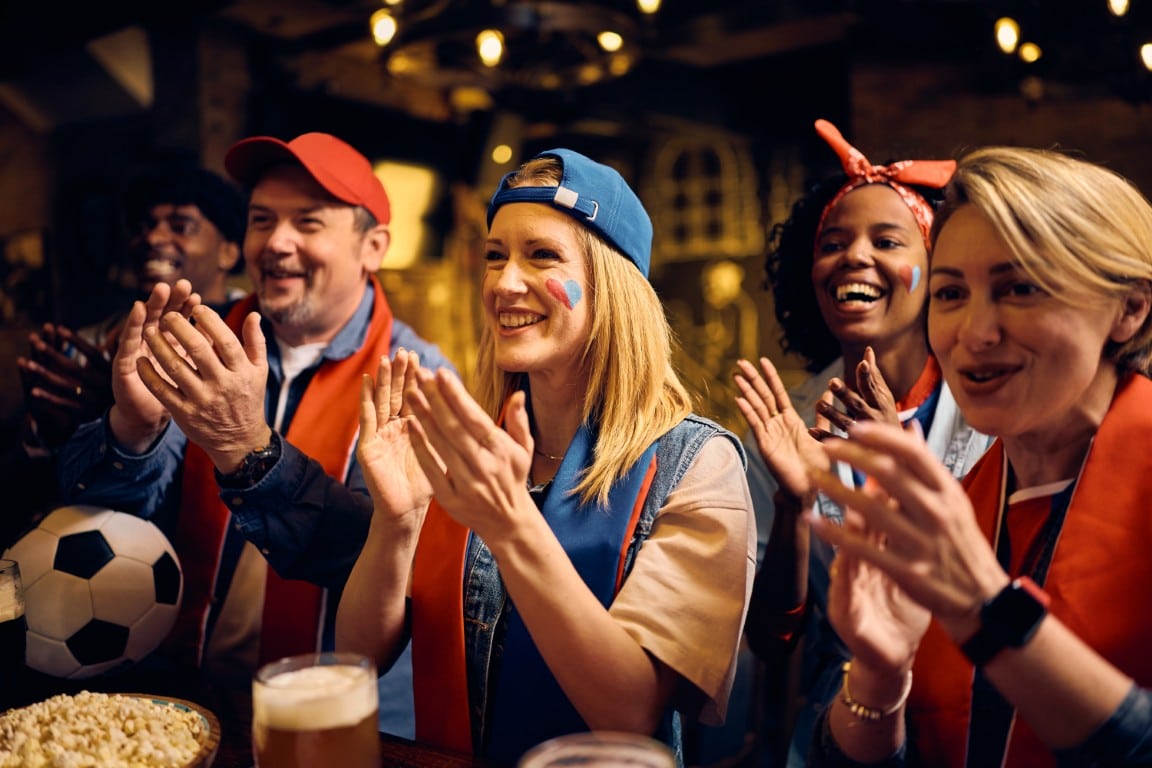
The 2026 FIFA World Cup is finished. The final took place on July 19 at MetLife Stadium, with Spain defeating France 2–1 in front of a sold-out crowd. Back in DC, the Fan Zone on the National Mall ran through the full tournament and drew some of its largest numbers during the knockout rounds, particularly for USA games and the semifinal.
The 2026 FIFA World Cup is spread across sixteen North American cities this summer. Washington, D.C., is not one of them, and for many fans, that turns out to be an advantage. No ticket lottery, no stadium queues, no single venue absorbing the whole city’s energy into one bottleneck. What DC has instead is a tournament that spreads across neighborhoods, runs free from group stage through the final on July 19, and plays out in front of one of the most genuinely international crowds in the country.
DC’s population includes some of the largest Latin American, Ethiopian, and West African communities in the United States. When Brazil plays, when Mexico plays, when Senegal, El Salvador, or Colombia plays, the watch parties here are not politely enthusiastic, and that is what separates DC from cities where the World Cup is mostly a backdrop.
The centerpiece is the Official FIFA Fan Zone between 3rd and 4th Streets NW on the National Mall. This is the largest setup in the city: multiple massive screens, official FIFA programming, and coverage of the majority of matches, including all U.S. Men’s National Team games and every knockout round, running daily through the tournament. The scale of it, thousands of people on the Mall with the monuments as a backdrop, is something that does not happen often. Registration is free through Freedom 250 and worth organizing before you arrive. A walk-up entry exists, but the registration line moves faster.
The United in Play series runs at Franklin Park in Downtown DC, with food trucks, live DJs, and a crowd that skews younger and louder than the Mall. The same series extends to Tingey Plaza in Navy Yard, which sits along the waterfront and draws a different mix, holding a good crowd without feeling overwhelmed. No registration for either; walk straight in.
Pearl Street at The Wharf has a 14-foot jumbotron set up for daily matches, with extended hours when the U.S. plays. The Wharf is worth building a full evening around. Arrive before kickoff, eat somewhere along the waterfront, watch the match, stay after. The neighborhood does not empty out when the final whistle goes. For evening games in particular, this is one of the better atmospheres in the city.
Union Market has two distinct options. Hi-Lawn, the rooftop space above the market, shows matches on oversized LED screens with an open-air setup. La Cosecha, the Latin American market hall on the ground floor, runs themed pop-ups and large-screen viewings that will feel noticeably different during matches involving Latin American sides. When Mexico or Colombia or Argentina is playing, La Cosecha is where a significant part of the city will be. The food is great here and the energy reflects the community rather than a general sports bar crowd.
Not every match carries the same weight, and the schedule matters if you are planning around specific games.
The U.S. Men’s National Team games draw the biggest crowds at the Mall and The Wharf, with extended venue hours. If you are only going to one group stage match, make it a USA game. The crowds are bigger, the hours are longer, and the noise reflects what the tournament means on home soil.
Knockout rounds change everything. From the Round of 16 onward, the atmosphere at every venue tightens. Single-elimination football watched with a crowd with real stakes in the result, through community, through heritage, through years of following a particular side, is a different experience than the group stage. The Fan Zone on the Mall stays open through the final.
The final is July 19, and if you are planning a trip around one date, that is the one.
The schedule runs through July 19. For anyone building a trip around the tournament, the knockout rounds are worth anchoring to. That is when the venues are at their fullest, and the watch party experience is hardest to replicate anywhere else. The group stage is easier to walk into; the later rounds reward planning.